





How Shampoo Backwash Units Work
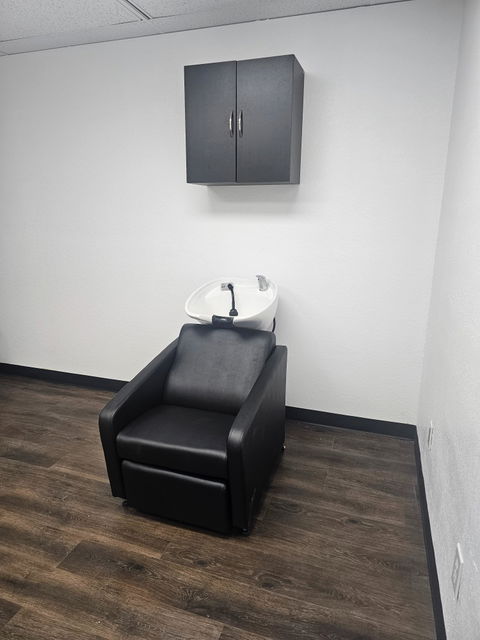
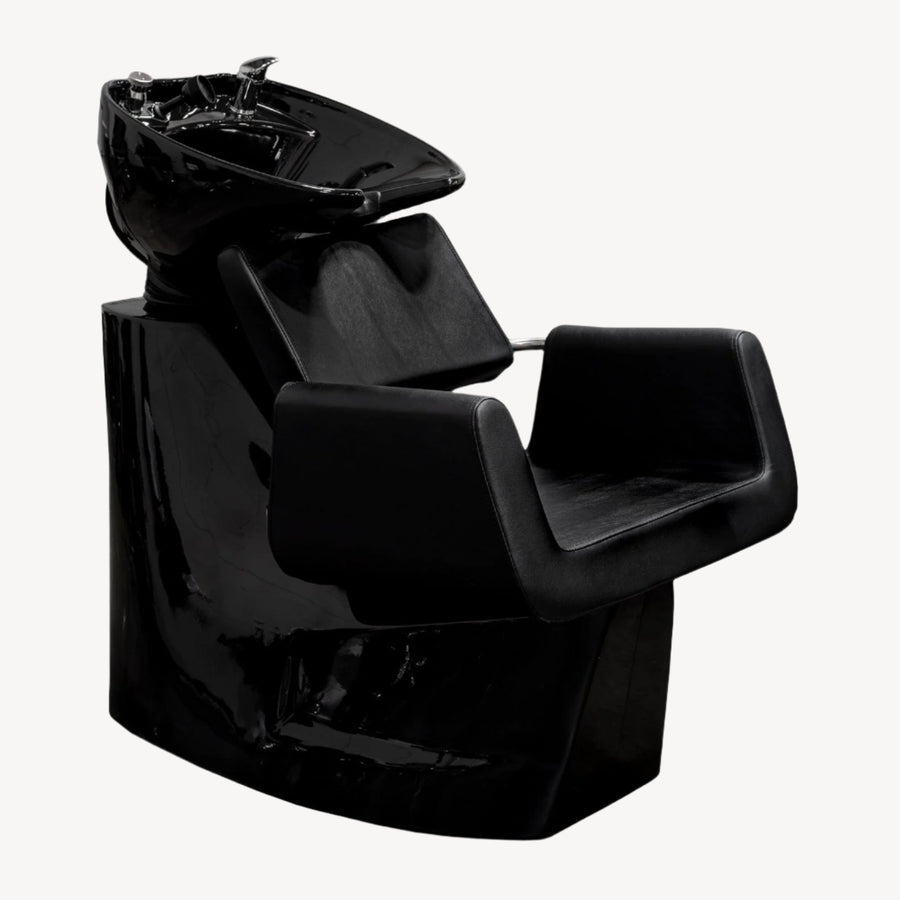
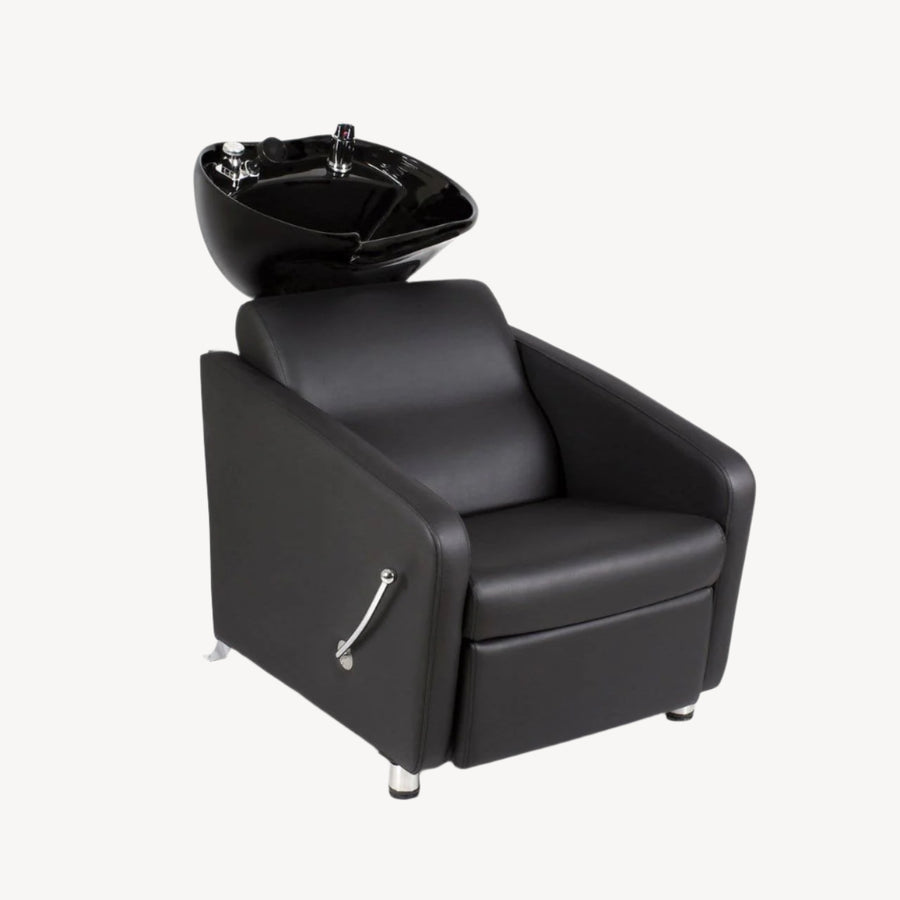
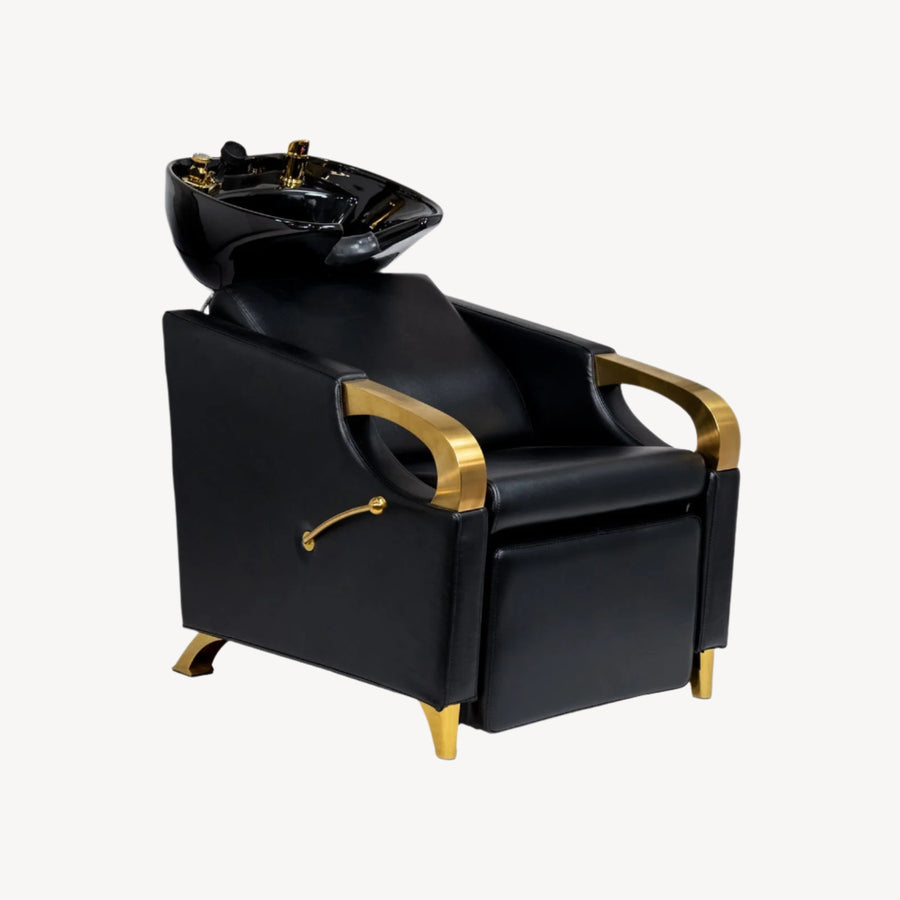
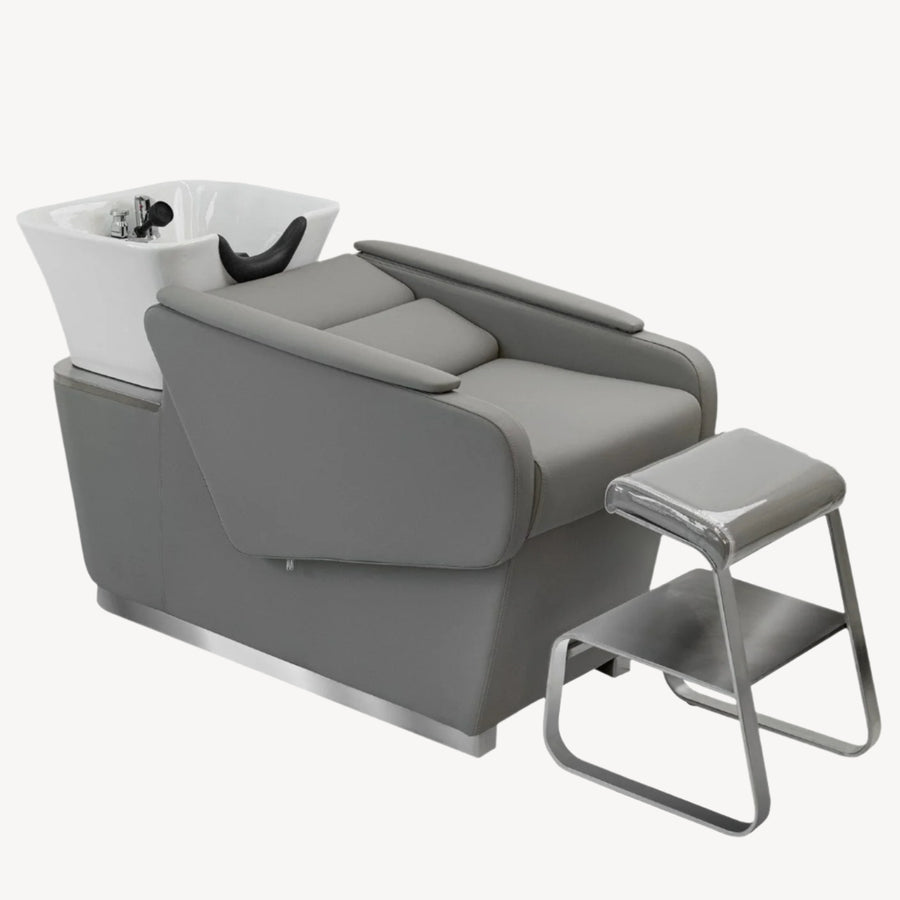
A shampoo backwash unit is the all-in-one station where clients lean back to have their hair washed. It combines a reclining chair with a tilting shampoo bowl, a faucet and spray hose, and a built-in headrest and neck rest so the client's head sits at the right angle over the bowl. Most units also include the plumbing hardware you need to connect the bowl to a water supply and drain. In a hair salon or a barbershop, the backwash area is where clients spend some of their most relaxed minutes, so a comfortable, well-built unit does real work for both the client experience and your stylists' backs.
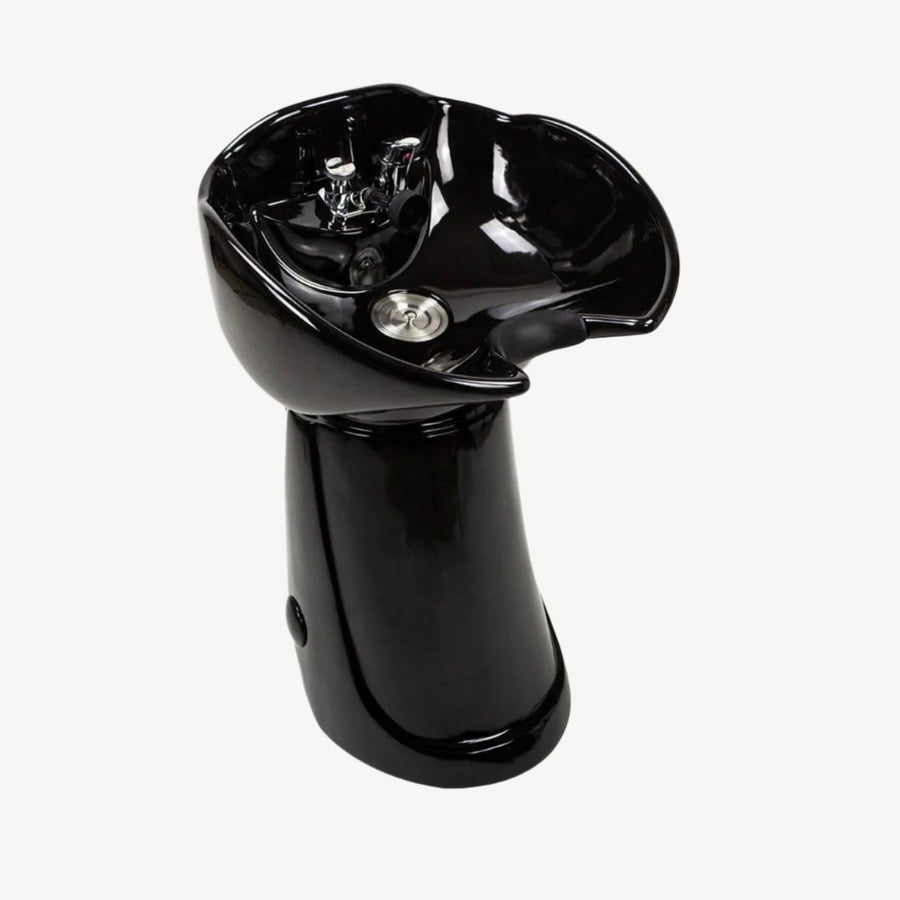
Backwash shampoo units come in a few styles. Some pair the bowl and chair as one connected piece, while others use a free-standing pedestal bowl you can position on its own. Shampoo wet stations offer another option, with the shampoo bowl built into a cabinet or styling station. When paired with a reclining salon chair, a wet station can also serve as a dedicated hair-washing area. A backwash unit is also a visible fixture, so finish and upholstery color factor into how the wash area looks next to the rest of your salon.
Planning for Plumbing and Installation
A backwash unit ties into your salon's hot and cold water lines and a drain, so installation calls for a licensed plumber. Before you buy, confirm where your water supply and drain lines run and how close they are to the spot you have in mind for the station. Give some thought to spacing as well, since barbers/stylists need room to stand and move behind the chair while they work.
One thing to check early is drainage. If the location you want doesn't have a floor drain positioned for gravity flow, a discharge pump can move wastewater from the bowl to your drain line. This add-on opens up placement options in salons where the plumbing isn't already set up for a wash station.
It's also worth knowing that once a backwash unit has been installed or connected to plumbing, it is no longer eligible for return. That's why it's so important to confirm your measurements, layout, and plumbing before you install.


What To Look for in a Backwash Shampoo Unit
The bowl and hardware carry the daily workload, so build quality is worth weighing carefully. As you compare units, look for:
- A porcelain bowl with a wide tilt range so you can position each client's head without spills
- A certified single-lever faucet with a vacuum breaker to keep your water supply safe
- A foam-lined headrest and neck rest for client comfort during longer services
- Lumbar support in the chair so clients are supported through the whole wash
- Durable upholstery that wipes clean and withstands water and product
- A complete drain assembly included so you have the core hardware to connect
Find the Best Backwash Shampoo Unit for Your Space
Salon City has spent decades sourcing salon furniture and equipment for salons and spas. If you have questions about installation, drainage, or which unit suits your space, the team is reachable by phone. Shoot us an email or call 972-354-9395 to talk through your shampoo area.
Shampoo Backwash Unit FAQs
In most cases, yes. A backwash unit connects to your hot and cold water lines and a drain, so a licensed plumber is the safest way to install it correctly. Because units that have been installed or connected to plumbing cannot be returned, confirm your layout and plumbing before installation begins.
You still have options. A discharge pump can be added to move wastewater from the bowl to your drain line when a gravity drain is not available at your preferred spot. This lets you place a wash station in areas that were not originally plumbed for one. Confirm the discharge pump option on the unit you're considering, or ask the Salon City team.
Yes. Salon City stocks shampoo bowls and backwash unit parts, so you can replace a bowl, faucet, or drain component instead of the whole station. Keeping a unit in service with replacement parts is usually faster and less expensive than buying a new one.
Plan for roughly 5 to 6 feet of width and 6 to 7 feet of depth per station — enough to cover the unit itself, room for the client to recline, and space for your stylist to move around it. If you're installing multiple units side by side, leave enough room between stations so barbers/stylists aren't working shoulder to shoulder. Always check the spec sheet for the specific model you're considering, since exact footprints vary.
A vacuum breaker sits at the water connection and stops used water from siphoning back into your clean supply lines if pressure drops unexpectedly. It's a basic health and safety measure, and most local plumbing codes require one on any fixture connected to a water supply, including shampoo bowls. It's worth confirming with your plumber that this is installed correctly, since it's an easy detail to overlook.