









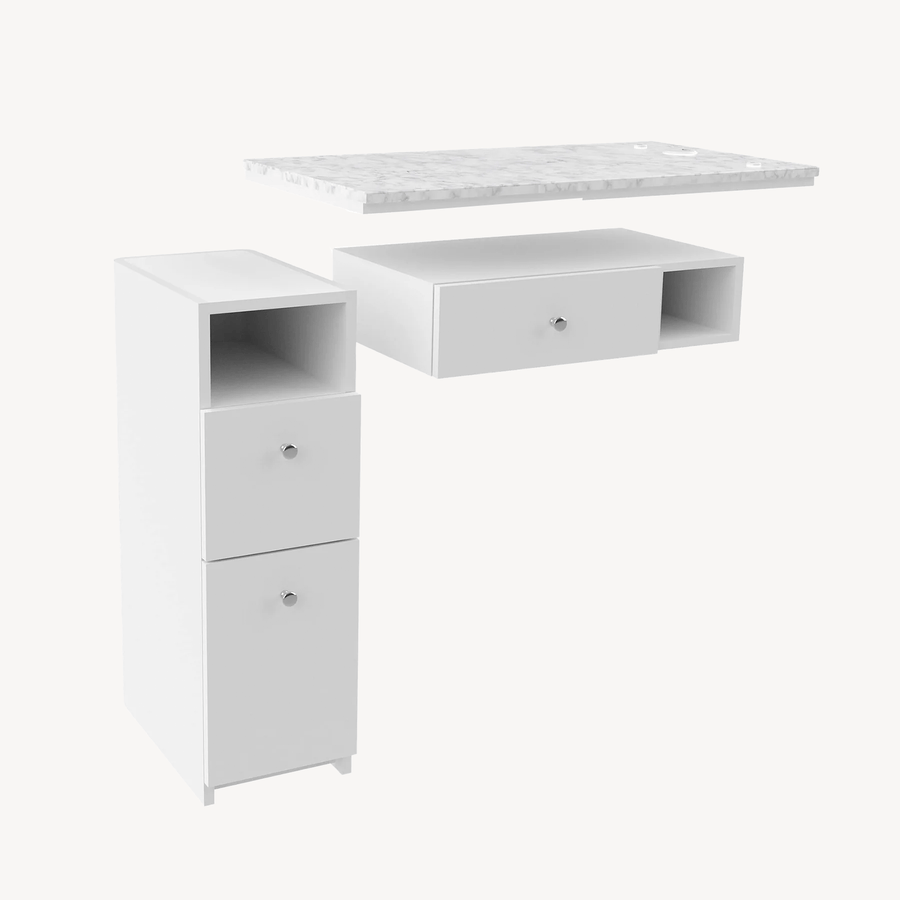
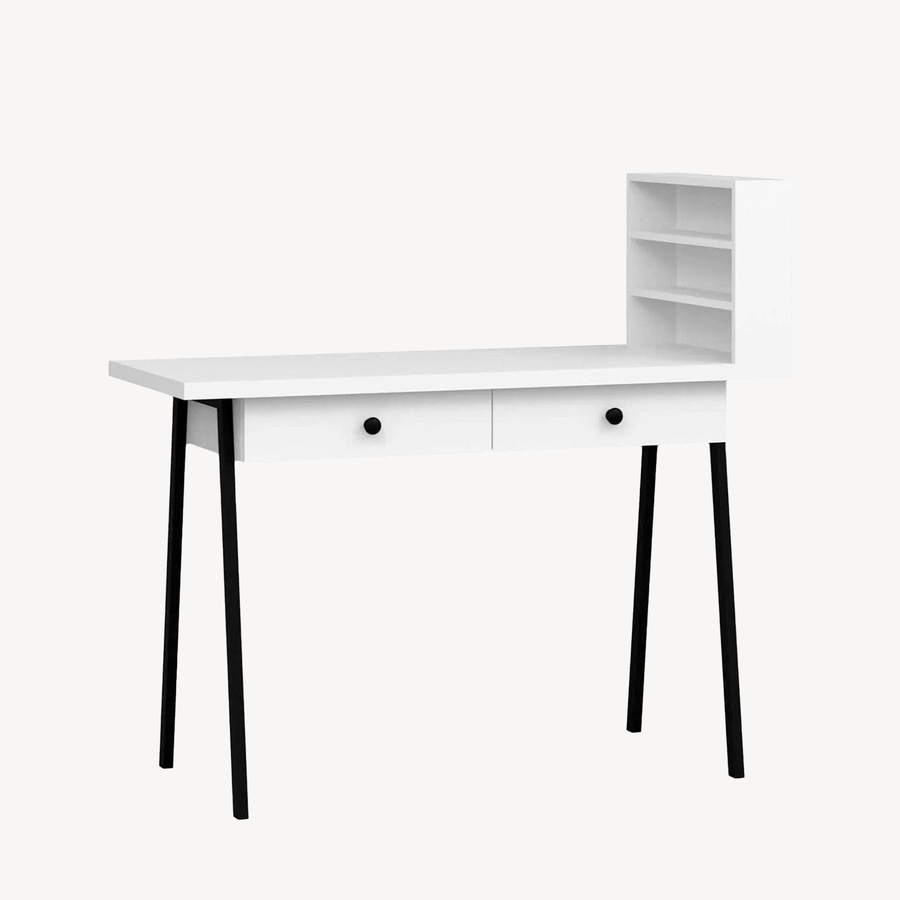
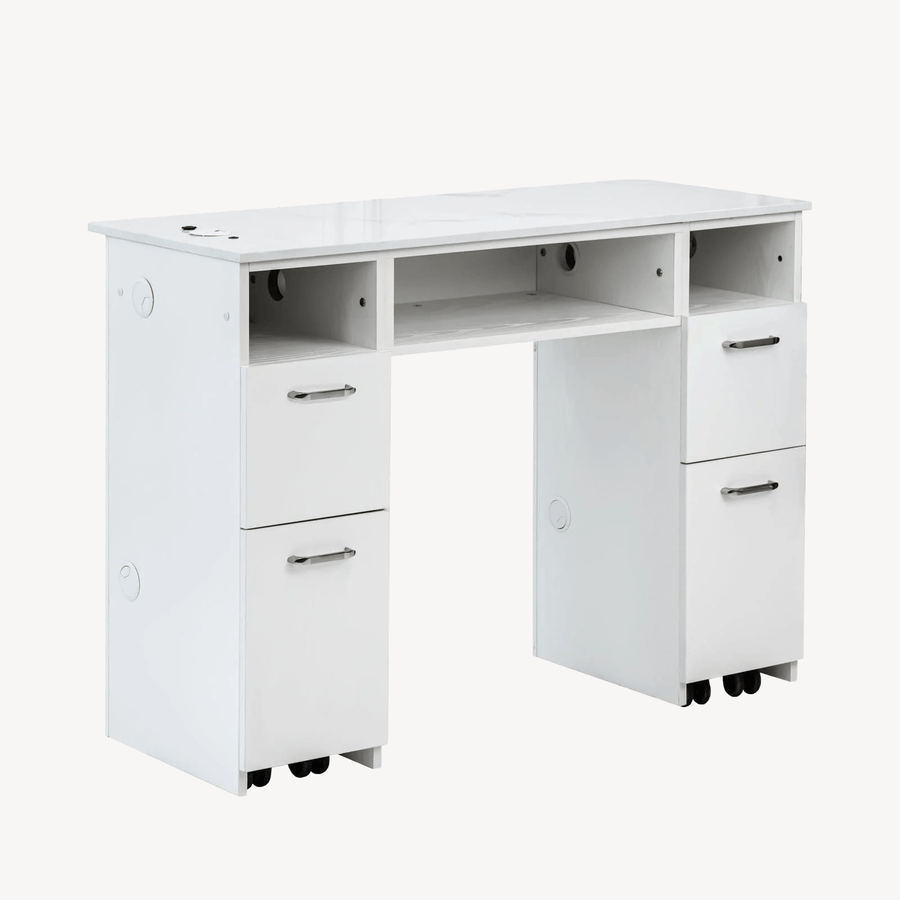

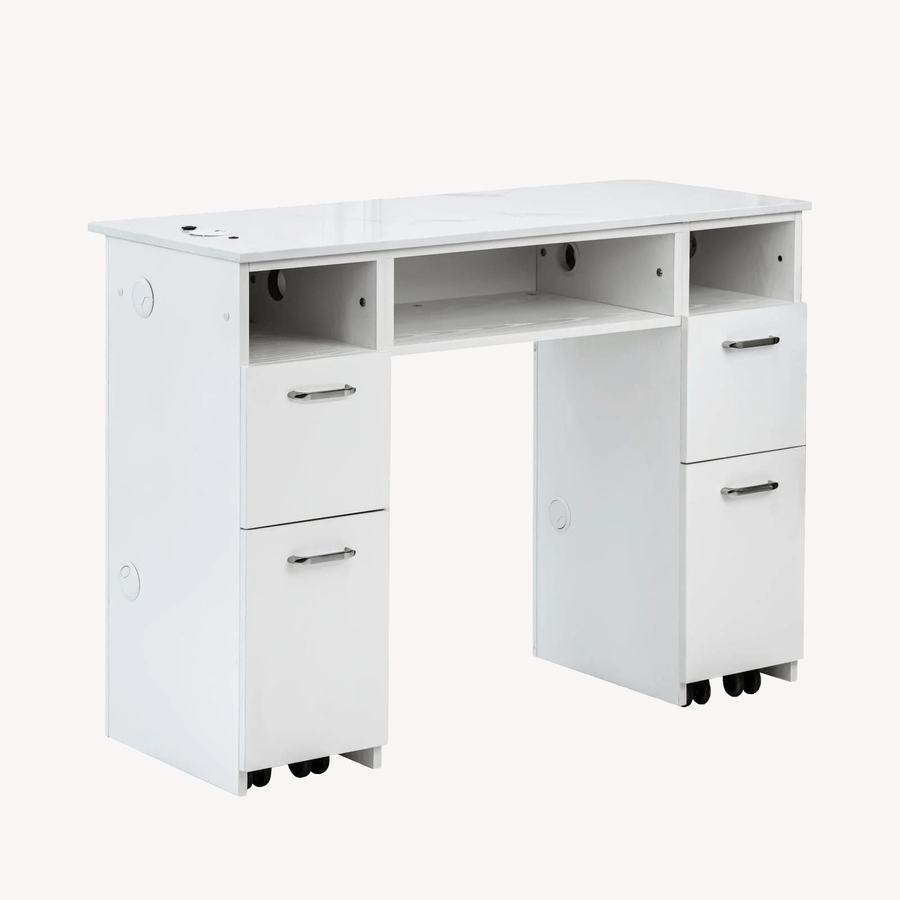
Manicure Tables Built for the Work You Do Every Day
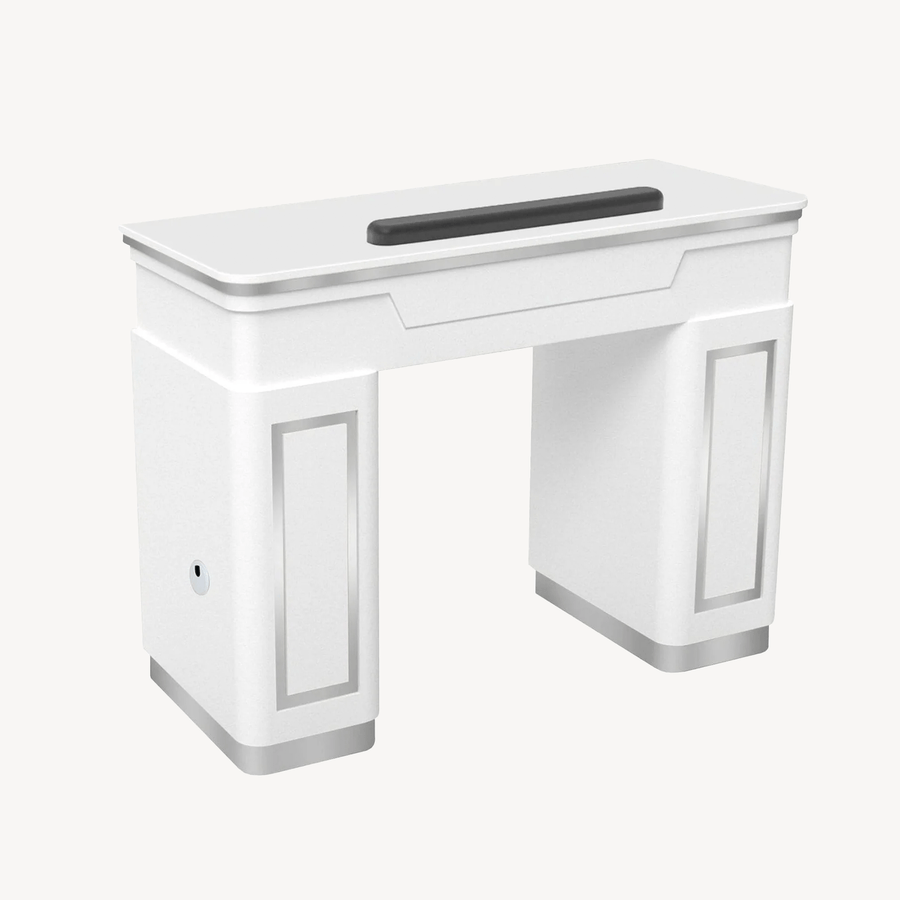
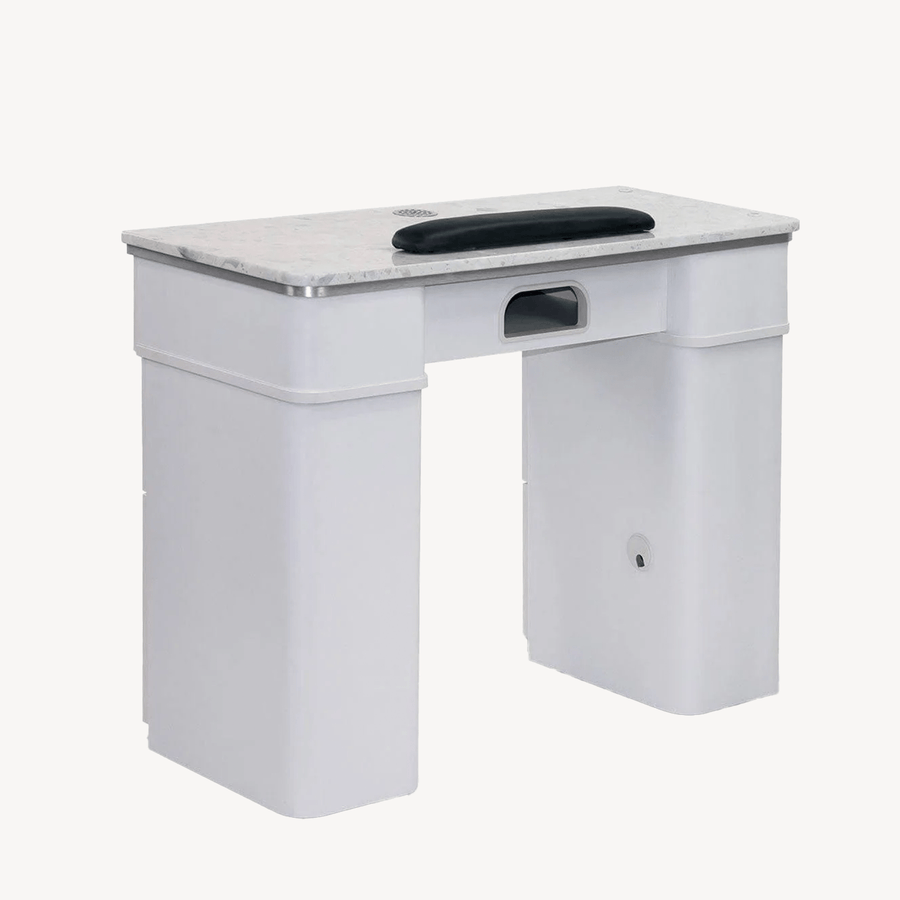
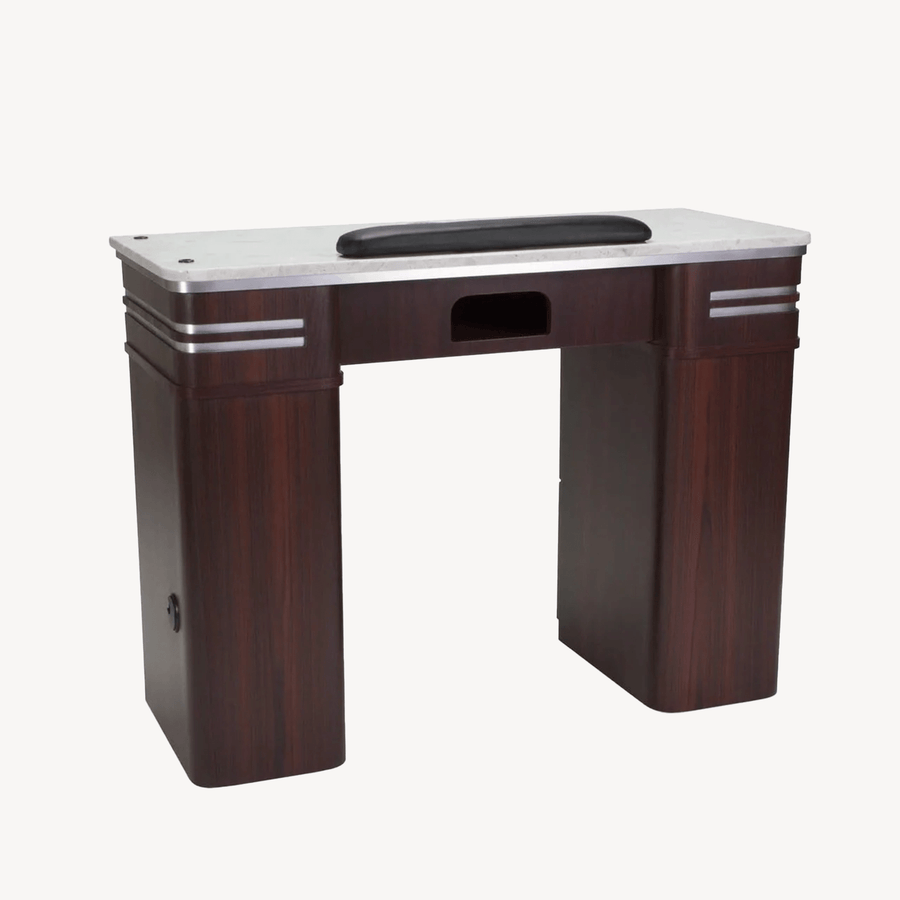
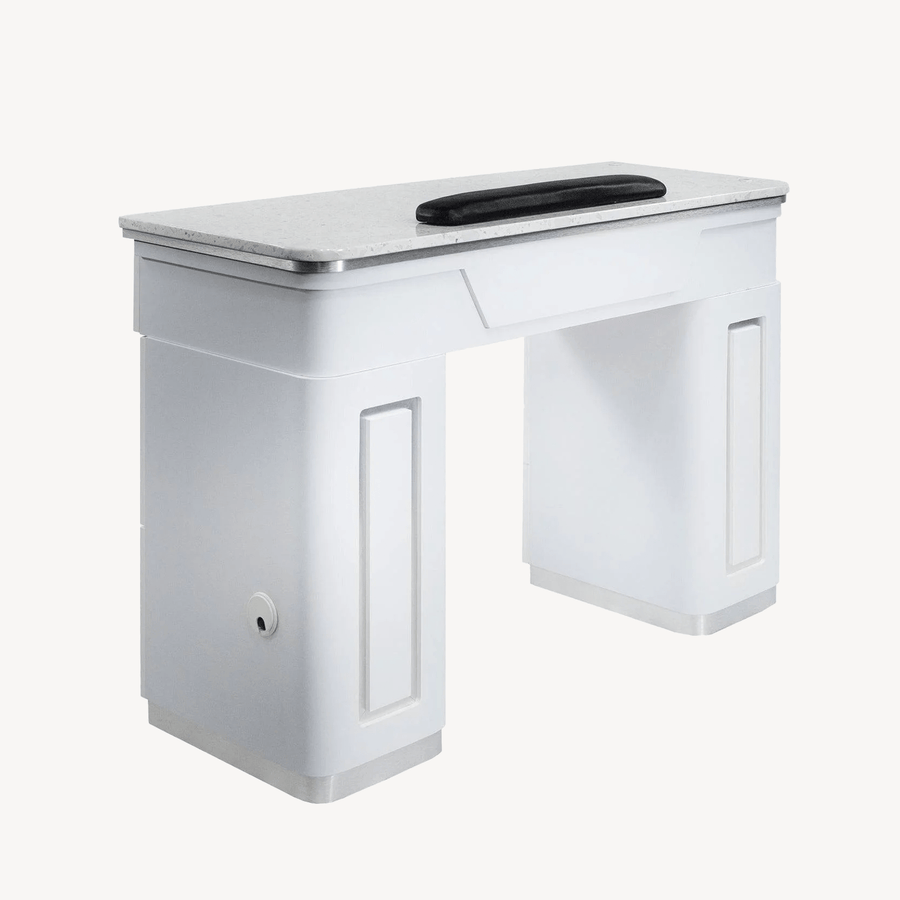
The manicure table is where every nail service begins. It sets the tone for how you work, how your clients feel about the space, and how long your equipment holds up under daily professional use. The manicure tables at Salon City are sourced from brands we've carried and stood behind for years — primarily Mayakoba, with premium options from Lexor — a lineup built around what actually matters in a working salon.
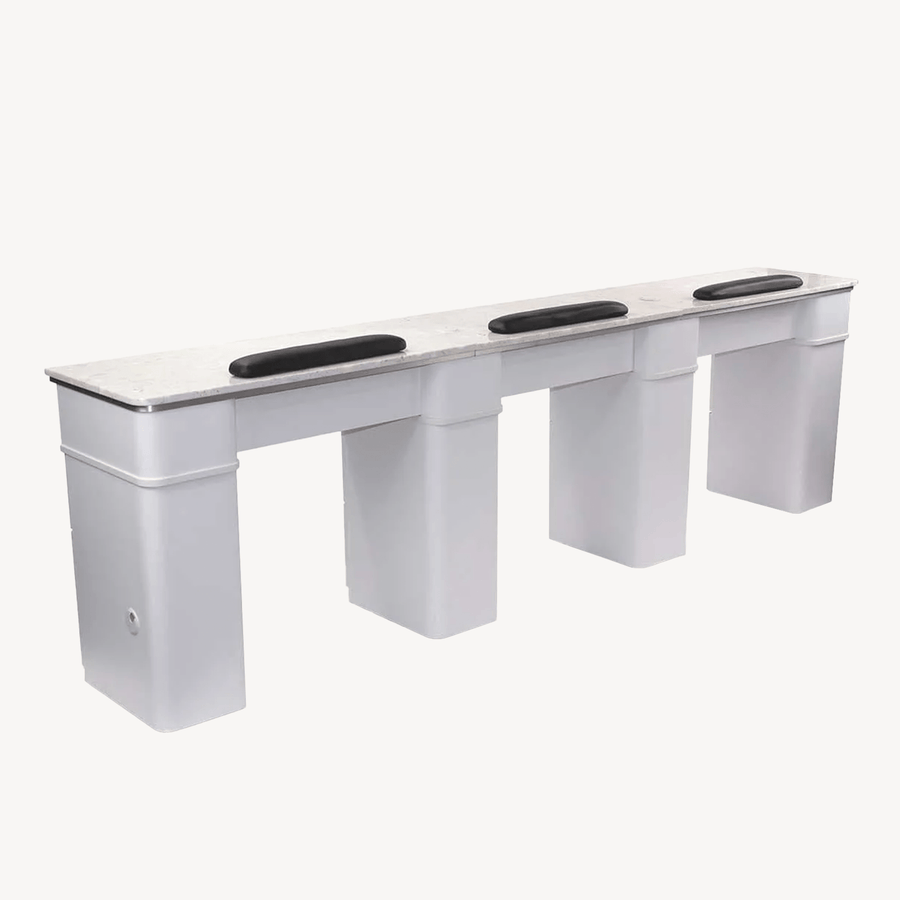
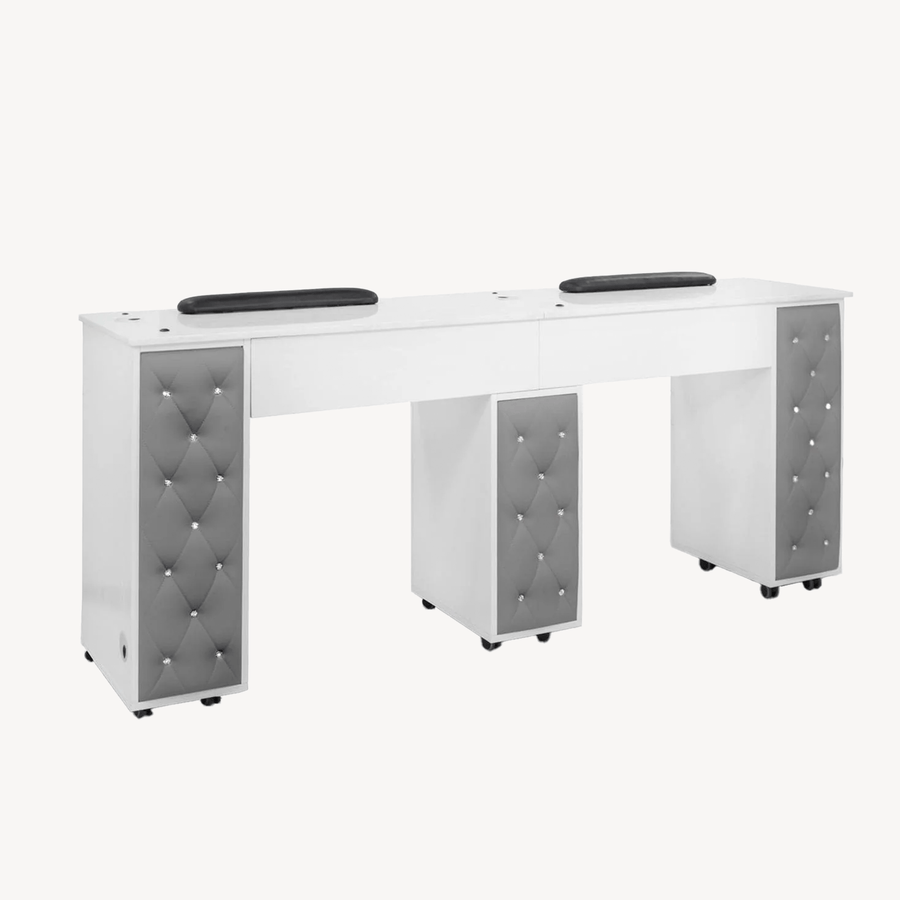
Whether you're outfitting a new nail salon from scratch or replacing a table that's hit its limit, you'll find options here that fit your floor plan and your workflow. Single stations, double tables, triple configurations, ventilated setups, foldable portables — the range covers wherever your salon is right now.
What Sets a Quality Manicure Table Apart
A manicure table that looks good on day one is easy to find. One that holds up through years of acetone exposure, daily sanitizing, and constant use is a different standard. Here's what we look at when deciding which nail tables to recommend to our customers.
Ventilation That Protects Your Technicians
Your technicians spend their entire workday sitting inches from the nail station. Over time, acrylic dust and monomer fumes build up in that breathing zone in ways that affect health, focus, and how long your team can keep doing this work. A built-in ventilation system addresses that before it becomes a problem — drawing air downward through the table surface and filtering it before it reaches the room. Several tables in this collection include that system built in, including the GLASGLOW Manicure Table With Fan and the NAPA Manicure Table W/ Ventilation System. If you're running a full-service nail salon where acrylic services happen every day, ventilation isn't a luxury add-on, it's part of taking care of the people who make your salon run. For salons focused on gel and polish with no acrylic work, a standard non-ventilated nail desk is typically fine.
Surfaces Built for Acetone and Daily Chemical Exposure
Your manicure table is visible to every client who walks through the door. A warped edge, a bubbled finish, or a surface that's visibly degraded tells clients something about your standards before you've said a word. The tables in this collection use materials selected specifically for chemical resistance; laminate tops, reinforced edges, and finishes that don't bubble, warp, or discolor under regular acetone, remover, and disinfectant exposure. That's the difference between a table that still looks sharp after five years of professional use and one that starts showing wear in the first year. Higher-end builds like the Lexor PRIVÉ pair a ventilated top with a premium finish that matches the rest of a well-appointed station.


Storage, Drawers, and How You Actually Work
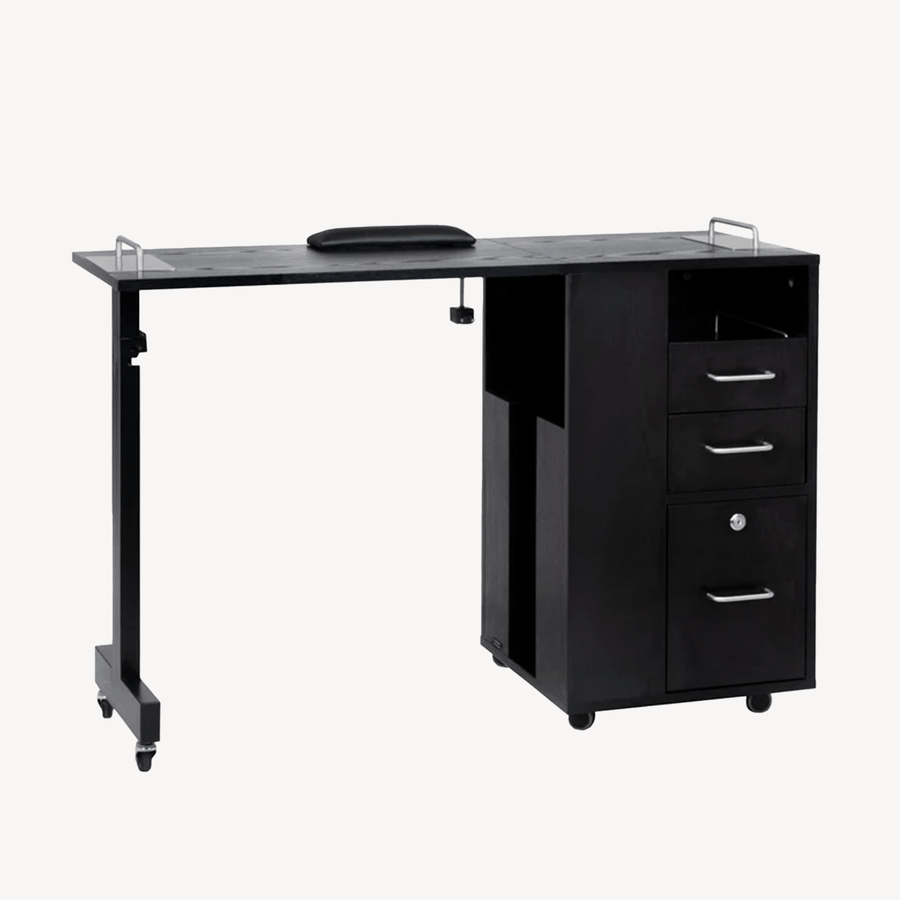
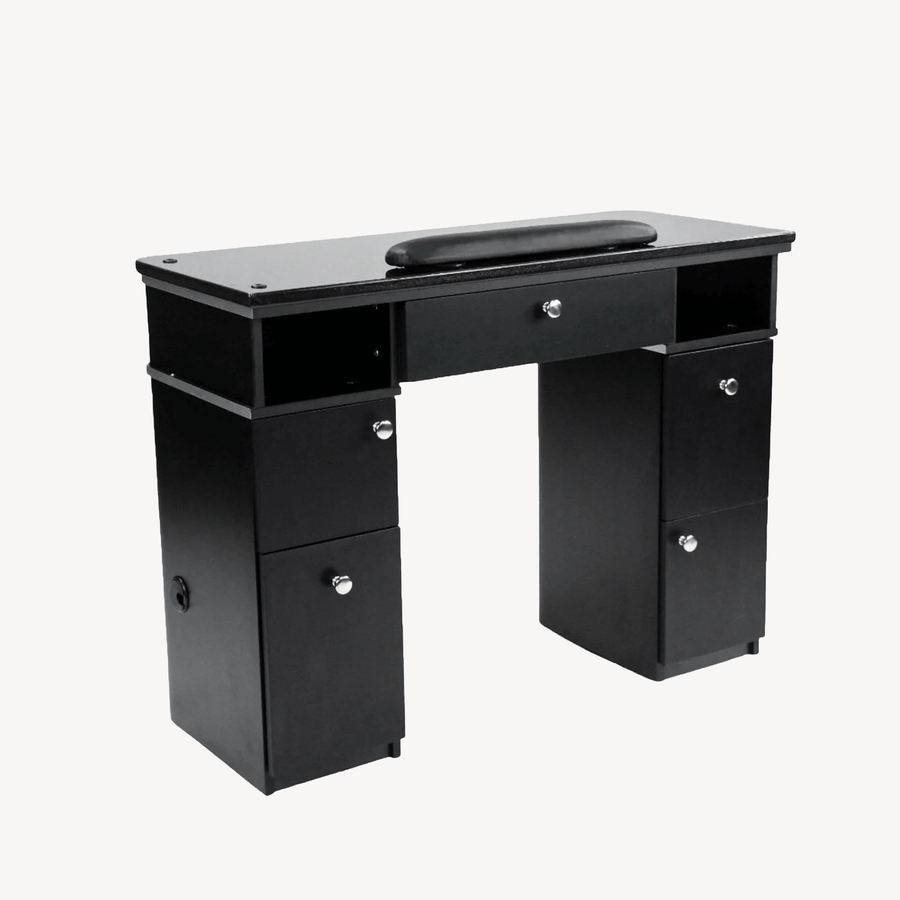
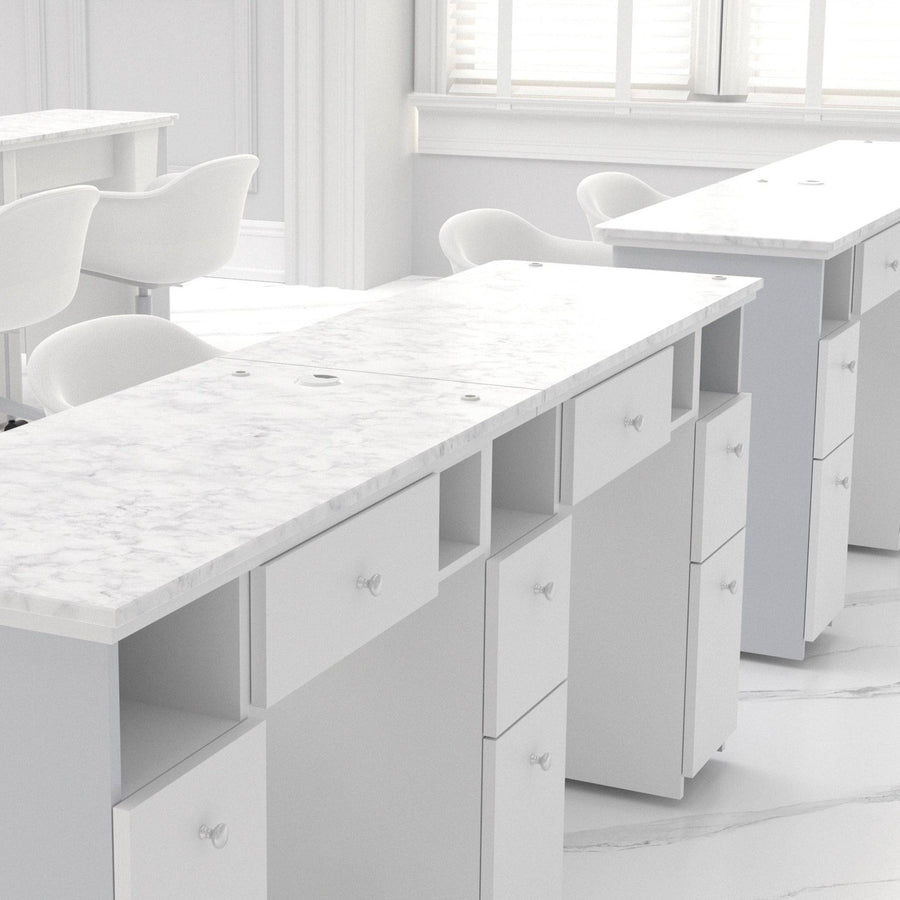
A clean, organized station is one of the first things clients notice and one of the first things that slips when a table doesn't have the right storage. The faster you can reach what you need without breaking contact with your client, the more professional the service feels. Most tables in this collection include at least one locking drawer for supplies and nail products, with some models adding open shelving below the work surface for larger items. If you're working booth rental or moving between locations, the TAYLOR Foldable Manicure Table breaks down for transport without sacrificing the core work surface. The SONOMA, NOVA I, and AVON I lines also offer matching extender and center pieces if you want to expand a station down the road without replacing the whole setup.
Configurations, Colors, and Making the Space Work for You
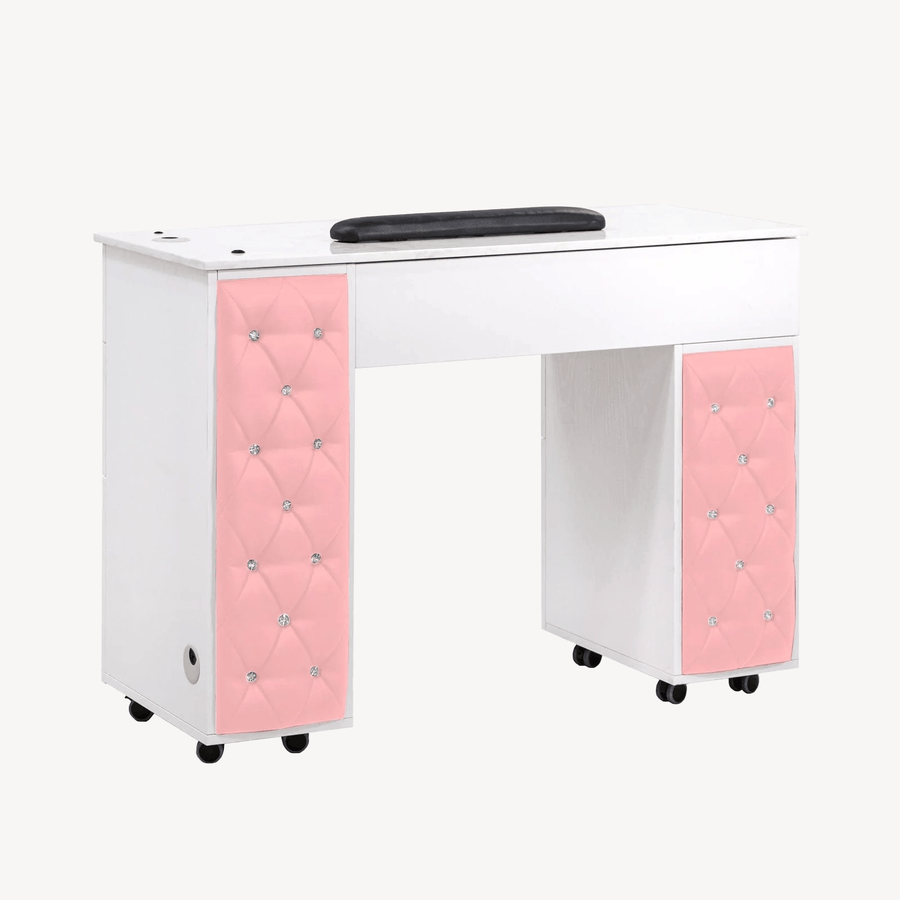
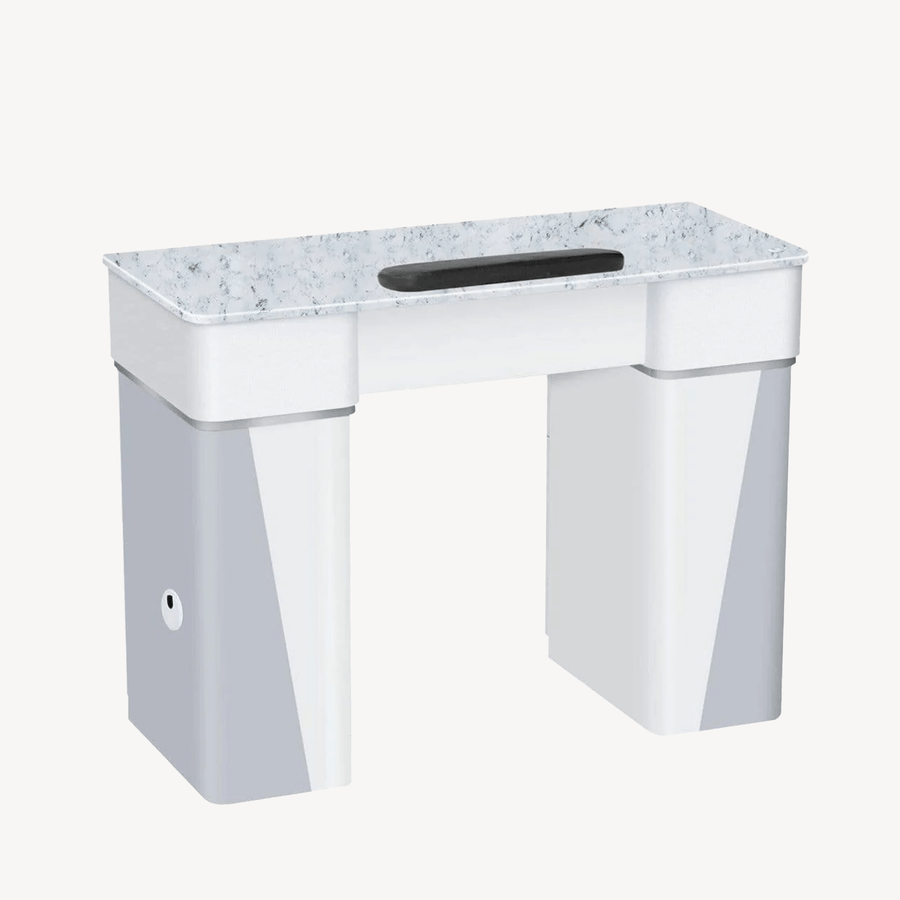
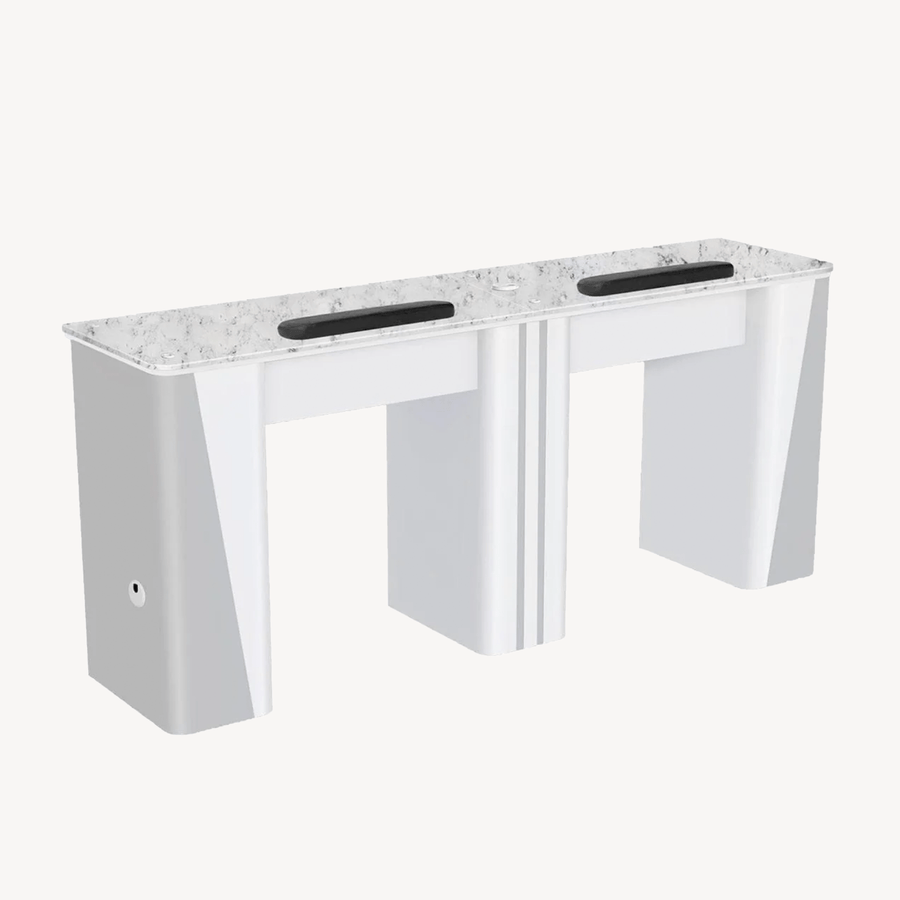
The layout of your salon shapes how clients experience it and your manicure tables take up a significant portion of that floor plan. This collection covers all three configurations so you can build around your space rather than the other way around. Single manicure tables give each technician their own self-contained station; doubles and triples share a unified frame across two or three stations, keeping the footprint tighter than multiple standalone units and lowering the cost per station. The NOVA I, SONOMA, and AVON I lines are all available in single, double, and triple formats. On the finish side, options run from bright whites and blush pinks to dark walnut, gold accents, teal grey, and hazel, enough range to match almost any interior without a custom order.
Not Sure Which Setup Is Right for Your Space?
Tell us about your salon, how many stations you're planning, what services you'll be running, and whether ventilation is a priority. The team at Salon City will help you find the right manicure tables for your floor plan and budget. Let's talk.
Frequently Asked Questions About Manicure Tables
It depends on the services you offer. If your technicians are working with acrylic liquid and powder daily, a ventilated manicure table is strongly recommended, monomer fumes are a health hazard with prolonged inhalation, and acrylic filing creates fine airborne particles that accumulate without proper extraction. A built-in fan and filtration system draws those contaminants down through the table surface before they reach the technician's breathing zone. Some states and localities are also moving toward ventilation requirements for nail salons as part of cosmetology board regulations to check your state's current rules before setting up a new station. If your salon is gel and polish only, a standard non-ventilated nail table is generally fine.
A single manicure table serves one technician and one client. A double table connects two stations on a shared frame, letting two technicians work side by side with their clients seated across from them. A triple extends that to three stations. The shared-frame design uses less floor space per station than multiple standalone singles and typically costs less per station as well. The tradeoff is flexibility: you can't split a double into two singles later. If you know your layout and have a fixed station count, doubles and triples are usually the more efficient choice.
Start with your services that determines whether you need built-in ventilation. Then think through your floor plan: how many stations, spacing between them, and whether a single, double, or triple configuration fits better. Storage matters more than most people anticipate before opening; a table with a locking drawer and a lower shelf keeps the workspace cleaner and speeds up each service. Finish and color should work with your existing interior. This collection covers a wide range, so you have real options. On lead time, Mayakoba tables typically build in around 10 business days, often faster. Other brands may run 14–21 business days before shipping. Factor that into your timeline if you're working toward an opening date.